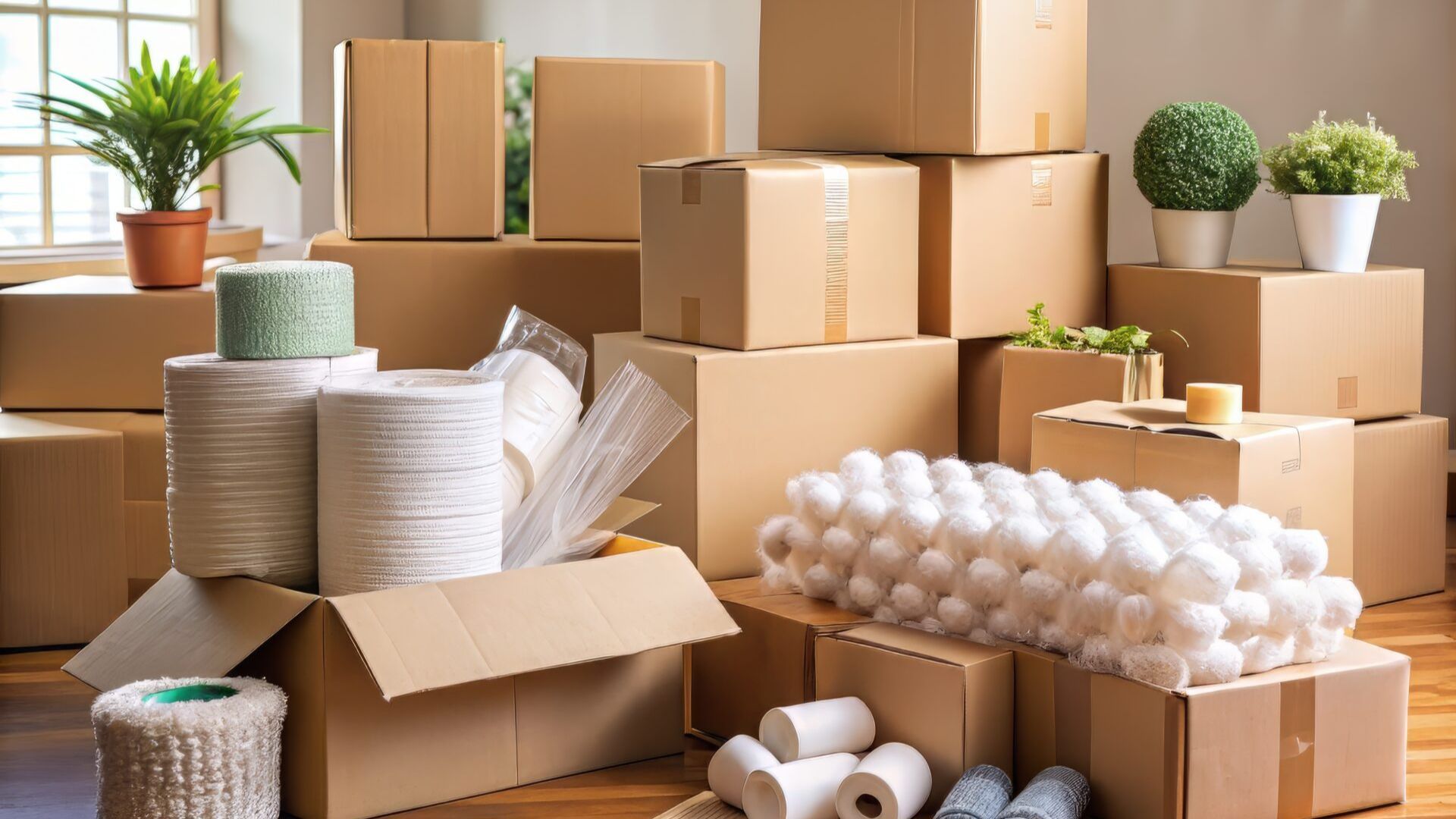
Best Moving Supplies for a Smooth Relocation Company
The right moving supplies can make or break your move. Quality boxes, proper tape, and good padding protect your stuff and save you money. Most moves fail because people use cheap supplies that break or don’t pack things right.
This guide covers all the supplies you need for a safe, smooth move. We’ll show you which boxes work best, how to save money, and what tools make moving easier.
Essential Moving Boxes: Your First Line of Defense
Small Boxes (16" x 12" x 12")
Small boxes are perfect for heavy items. Books, dishes, and canned goods fit great in these. Small boxes cost about $1 to $3 each and can hold 30-50 pounds safely. Don’t make them too heavy or they’ll break.
Best uses:
- Books and magazines
- Dishes and glassware
- Small kitchen items
- Tools and hardware
Medium Boxes (18" x 14" x 12")
Medium boxes work for most household items. They’re great for kitchenware, toys, and small appliances. These boxes cost $1.60 to $3.50 each and give you the best value.
Perfect for:
- Clothes and linens
- Small appliances
- Toys and games
- Bathroom items
Large Boxes (20" x 20" x 15")
Large boxes are for light, bulky stuff only. Use them for pillows, blankets, and lightweight clothing. They cost $2 to $6 each but break easily if overpacked.
Great for:
- Pillows and comforters
- Lampshades
- Stuffed animals
- Seasonal decorations
Specialty Boxes That Save Time
Wardrobe Boxes Wardrobe boxes have a hanging bar so you can move clothes without folding them. They cost more but keep your nice clothes wrinkle-free.
Dish Boxes These have thick walls and come with dividers. Dish boxes and dividers are essential for keeping dishes and glassware safe during transit. Worth the extra cost for fragile items.
TV and Mirror Boxes For safely transporting TVs, framed pictures or mirrors, use a TV moving box. They’re adjustable and have extra padding.
Packing Materials: Protect Your Belongings
Bubble Wrap vs. Packing Paper
Bubble Wrap Bubble wrap works well for wrapping up larger or oddly shaped breakables. It costs more but gives better protection for fragile items.
Packing Paper Use packing paper sheets to protect fragile items like dishes. Make sure it’s ink-free so nothing rubs off. It’s cheaper than bubble wrap and works great for most items.
Moving Blankets and Furniture Pads
Moving blankets are thick pads used to cover large items during your move. You can rent them for $10-$20 per dozen instead of buying them.
Money-saving tip: Use your own blankets if you don’t mind them getting dirty. Just know they might not survive the move.
Stretch Wrap and Plastic Covers
Stretch wrap helps secure items together and prevents drawers from opening during transport. It also protects furniture from scratches.
Plastic covers slide over furniture to protect it from dust and surface damage. Get mattress bags and couch covers at minimum.
Tools and Equipment for Safe Moving
Dollies and Hand Trucks
Rent dollies and hand trucks for less than $20 rather than buying them. Different types work for different jobs:
- Standard dolly: Good for boxes and small items
- Furniture dolly: Has four wheels, great for heavy furniture
- Appliance dolly: Has straps to secure washers and fridges
Moving Straps and Lifting Aids
If you have to move items up and down stairs, consider wearable moving straps instead of a dolly. They help you and a friend carry heavy stuff safely.
Moving straps make it easier to move heavy items and odd-shaped objects that are hard to grip. Always read the instructions to avoid injury.
Basic Tools You’ll Need
Keep these tools handy:
- Screwdrivers (Phillips and flathead)
- Wrench set
- Utility knife for opening boxes
- Hammer
- Measuring tape
You might need to dismantle furniture when trying to fit everything in the moving truck.
Taping and Sealing: Don’t Go Cheap
Quality Packing Tape
Don’t get the cheapest packing tape. Cheap tape is too thin and doesn’t stick well. Good tape costs a few dollars more but won’t let you down.
Types of tape:
- Packing tape: Standard for sealing boxes
- Shipping tape: Good substitute for packing tape
- Duct tape: For heavy-duty repairs
Tape Dispensers and Guns
Use a tape gun to dispense tape quickly and buy packing tape in bulk rolls to save money. A tape gun lays seams straight and keeps your fingers from getting sticky.
How Much Tape Do You Need?
You’ll use more tape than you expect. Buy at least 6-8 rolls for a 2-bedroom apartment, 10-12 rolls for a 3-bedroom house.
Labeling and Organization Systems
Labeling Materials
Label boxes on multiple sides so you can see them from any angle. Use:
- Permanent markers (black works best)
- Colored stickers for room coding
- Pre-made moving labels
Smart Labeling Tips
Write the room AND what’s inside each box. Mark any boxes with fragile contents clearly so movers know to be extra careful.
Example good labels:
- "Kitchen – Dishes (FRAGILE)"
- "Master Bedroom – Clothes"
- "Living Room – Books (HEAVY)"
Inventory Lists
Keep a notebook or spreadsheet with box numbers and contents. This is especially important for expensive items.
Small Items That Make a Big Difference
Plastic Bags and Containers
Put screws, bolts, and washers in small plastic bags when you take furniture apart. Label each bag. Use sandwich bags for hardware and gallon bags for cords.
Utility Knives and Box Cutters
A utility knife makes opening boxes easy, but be careful not to cut your belongings. Box cutters slice through boxes like butter and are great for breaking down boxes after your move.
Work Gloves
Invest in work gloves to protect from scrapes, cuts, and punctures. Your hands will thank you after a long day of moving.
Padlocks
Your moving truck holds almost all your stuff. Protect it with a sturdy padlock. Don’t buy a cheap one from the supermarket.
Moving Day Essentials
Cleaning Supplies
Pack basic cleaning supplies in an easy-to-reach box:
- All-purpose cleaner
- Paper towels
- Broom and dustpan
- Vacuum cleaner
- Toilet paper
First Aid Kit
Keep a first-aid kit handy for minor injuries during unpacking. Moving is hard work and accidents happen.
Survival Kit
Pack a clear plastic bin with things you’ll need right away:
- Phone chargers
- Snacks and water
- Basic tools
- Hand soap
- Prescription medications
How to Save Money on Moving Supplies
Free Box Sources
Find free boxes at grocery stores, recycling centers, and office supply companies. Ask grocery store managers about good boxes on delivery days.
Best places for free boxes:
- Grocery stores (produce boxes are sturdy)
- Liquor stores (small, strong boxes)
- Office supply stores
- Bookstores
- Friend’s recent moves
What to Rent vs. Buy
Rent these items:
- Dollies and hand trucks
- Moving blankets
- Specialty tools
Buy these items:
- Boxes (if you can’t find free ones)
- Tape and labels
- Bubble wrap and packing paper
- Plastic bags
Budget Breakdown
Small boxes cost $1-$3, medium boxes $1.60-$3.50, and large boxes $2-$6 each. If you find free boxes, you might spend as little as $50. If you buy everything, expect to spend up to $500.
Recent industry data shows that the moving supplies market has grown steadily, with Americans spending billions on packing materials annually.
Typical costs for a 2-bedroom apartment:
- Boxes: $50-$150
- Tape and labels: $20-$40
- Bubble wrap/packing paper: $30-$60
- Rental equipment: $40-$80
- Total: $140-$330
Common Mistakes to Avoid
Box Problems
Using wrong box sizes: Using significantly larger boxes for small items causes them to rattle around and get damaged.
Overpacking boxes: Boxes can hold 30-150 pounds depending on size, but don’t max them out.
Not enough padding: Not using cushioning material increases the chances of damage.
Packing Errors
Poor labeling: Not writing on multiple sides makes boxes hard to identify.
Mixing heavy and light: Keep heavy items in small boxes, light items in large boxes.
Ignoring fragile items: Research from packaging industry studies shows that proper packaging prevents 81% of product damage during shipping. Bubble wrap items individually and use kraft paper to prevent multiple items from damaging each other.
Eco-Friendly Moving Options
Reusable Containers
Plastic moving boxes cost $10-$30 each but can be reused many times. Some companies rent them for $1.50-$3 per box.
Sustainable Practices
- Use clothes and linens as padding
- Keep boxes for future moves
- Donate or sell supplies after moving
- Choose biodegradable packing materials
Green Alternatives
Instead of bubble wrap, try:
- Newspaper (for non-fragile items)
- Towels and blankets
- Foam padding from old packages
- Air-filled bags
Timeline: When to Get Your Supplies
8 Weeks Before Moving
- Start collecting free boxes
- Research rental companies
- Create your supply list
4 Weeks Before Moving
- Order specialty boxes
- Buy tape, labels, and packing materials
- Reserve dollies and equipment
2 Weeks Before Moving
- Get final supplies
- Pack non-essential items
- Test your packing system
Moving Week
- Pack everything except essentials
- Prepare your moving day kit
- Do final supply check
How Many Boxes Do You Need?
A typical three-bedroom house needs 70-150 boxes depending on your packing style and how full your rooms are. TheU.S. Census Bureau reports that the average American moves 11.7 times in their lifetime, making proper supply planning crucial for most people.
General guidelines:
- Studio apartment: 10-25 boxes
- 1-bedroom: 20-40 boxes
- 2-bedroom: 40-80 boxes
- 3-bedroom: 70-150 boxes
- 4-bedroom: 100-200 boxes
Box size breakdown for 2-bedroom apartment:
- Small boxes: 15-20
- Medium boxes: 20-30
- Large boxes: 10-15
- Specialty boxes: 3-5
Working with Professional Movers
What They Usually Provide
Professional moving companies likeLast Stop Moving often include:
- Stretch wrap
- Dollies and equipment
What You Should Handle
- Personal packing supplies
- Boxes for your belongings
- Specialty containers
- Cleaning supplies
Questions to Ask Your Movers
- What supplies do you provide?
- Can I rent additional equipment?
- Do you sell packing materials?
- What’s not covered in your service?
Final Thoughts
The right moving supplies make your move safer, easier, and cheaper. Start with quality boxes in the right sizes, get good tape and packing materials, and don’t skip the tools that help you move heavy items safely.
Remember these key points:
- Small boxes for heavy items, large boxes for light items
- Don’t buy the cheapest tape – it will let you down
- Rent expensive equipment instead of buying it
- Label boxes on multiple sides for easy identification
Planning ahead and using the right supplies protects your belongings and saves money in the long run. Whether you’re doing alocal move or needlong-distance moving services, having the right supplies makes everything go smoother.
For professional help with your move in Edmonton and Alberta,contact Last Stop Moving for a free estimate. Our team providespacking services and can help you get the supplies you need for a successful move.
Ready to start your move? Check out ourmoving checklist to stay organized and ensure nothing gets forgotten during your relocation.