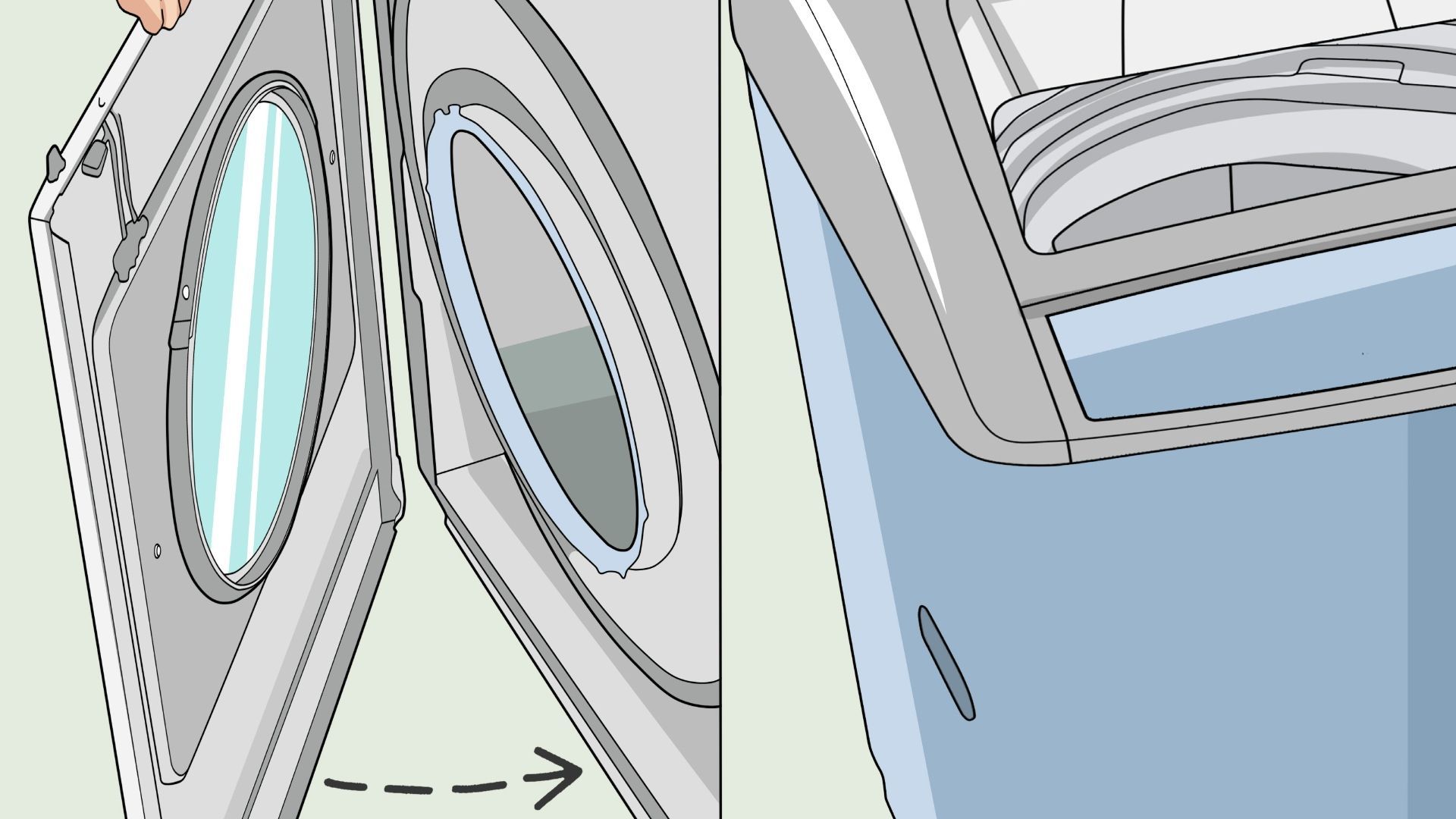
Can a Washer be Damaged by Moving?
Yes, a washer can be damaged by moving if you don’t take the right steps to protect it. The most common damage happens to the suspension system, which keeps the drum steady during washing. Moving can also cause water leaks and electrical problems. But don’t worry – with proper planning, you can move your washer safely.
What Parts of a Washer Get Damaged During Moving?
The Suspension System Takes the Biggest Hit
Your washer’s suspension system is like shock absorbers in a car. It includes springs, rods, and dampers that keep the drum from bouncing around too much. When you move a washer without proper care, these parts can break or come loose.
Moving puts a great deal of wear and tear on a washer’s suspension system. The suspension system prevents damage from vibrations when the drum spins or agitates during normal use. According to Consumer Reports’ appliance reliability data, members rank reliability as more important than price or performance when buying major appliances.
Here’s what can happen to each part:
- Suspension springs can stretch or snap
- Shock absorbers can separate or break
- Suspension rods can bend or lose their grip
- Damper pads can crack or wear out
Water Lines and Electrical Parts
Moving also puts stress on water hoses and electrical connections. Moving electrical equipment without proper care exposes the plugs and cables to potential damage. Rough handling can cause:
- Water hoses to crack or come loose
- Power cords to get damaged
- Internal wiring to disconnect
- Water pumps to get damaged
The Drum Itself Can Get Misaligned
The drum is the heavy part where you put your clothes. If it bounces around too much during a move, it can get knocked out of place. This causes the washer to shake badly and make loud noises.
How Bad Can the Damage Be?
Suspension Damage Costs
When suspension parts break, your washer will shake and move around your laundry room. If your washer moves excessively or even "walks" across the floor, the rods may have lost their tension, causing the drum to become unstable.
Fixing suspension problems can cost anywhere from $50 to $200, depending on which parts need to be replaced. Sometimes the damage is so bad that it’s cheaper to buy a new washer.
Water Damage to Your Home
A damaged washer can leak water and flood your laundry room. Excessive movement from a faulty suspension system can cause the tub to hit internal components, potentially leading to leaks.
Complete Breakdown
In the worst cases, moving damage can make your washer completely unusable. The motor, transmission, or other expensive parts might break if the drum hits them during transport. The U.S. Consumer Product Safety Commission (CPSC) tracks consumer product injuries, and appliance-related accidents can result in both property damage and personal injury during moves.
The Biggest Mistake: Not Using Transit Bolts
What Are Transit Bolts?
Transit bolts are a type of bolt used to secure part of a mechanical appliance during transit. They lock the drum in place so it can’t bounce around and damage the suspension system.
Most washers come with these bolts when you buy them. They’re usually 4 to 12 inches long and have rubber or plastic washers on them.
Why People Skip This Step
Many people throw away transit bolts after installing their washer. When it’s time to move, they can’t find them or don’t want to spend money on new ones. This is a costly mistake.
The Real Risk of Moving Without Transit Bolts
My professional advice, based on daily handling of these appliances, is nuanced. For short distances, especially within the same premises or nearby, you probably don’t need to install the transit bolts. However, for longer moves, particularly interstate or international relocations, securing the machine with transit bolts is wise to prevent any potential damage from rough handling or emergency braking. For short moves (under 50 miles), you might be okay without transit bolts if you’re very careful. But for longer moves, the risk goes up a lot.
How to Protect Your Washer During a Move
Step 1: Get Transit Bolts
If you still have your original transit bolts, great! If not, you can buy new ones for about $20-50. Make sure you get the right ones for your washer model.
Step 2: Prepare Your Washer
Before moving day:
- Clean the drum – Run an empty cycle with bleach or vinegar
- Let it dry – Leave the door open for 24 hours
- Disconnect water lines – Turn off water valves and drain hoses
- Unplug the power cord – Make sure it’s completely disconnected
Step 3: Install Transit Bolts
Push the bolts through each of the holes in the back panel and ratchet them in place. Tighten each one halfway once it’s in place so you can adjust the tub as necessary. You’ll usually find 3-4 holes on the back of your washer. These might have plastic covers that you need to remove first.
Step 4: Secure Everything Else
- Wrap the power cord and tape it to the back
- Use plastic wrap to secure the door
- Wrap the whole washer in moving blankets
Step 5: Move It Carefully
Laying a washer on its side can damage its suspension system and ruin your washer. Always keep your washer upright during transport. Use a dolly or appliance cart to move it. Get help – washers can weigh 150-230 pounds depending on size.
Signs Your Washer Was Damaged During Moving
Watch for These Red Flags
After your move, check for these warning signs:
- Excessive shaking during the spin cycle
- Loud banging noises when running
- Water leaks around the base
- The washer "walks" across the floor
- Error codes on the display
- Clothes coming out still very wet
What to Do If You Notice Problems
If you see any of these signs, stop using your washer right away. Check that:
- Transit bolts were removed after moving
- The washer is level on the floor
- Water lines are properly connected
- Nothing is blocking the drum
Can Professional Movers Prevent Damage?
The Benefits of Hiring Pros
Professional movers know how to handle washers safely. They have the right equipment and experience to prevent damage. Many local movers offer appliance moving services.
What to Ask Your Moving Company
When hiring movers, ask:
- Do they have experience moving washers?
- Will they reinstall transit bolts?
- Do they have insurance for appliance damage?
- What equipment do they use?
DIY vs Professional Moving
Moving a washer yourself can save money, but it’s risky. You need:
- At least 2-3 strong helpers
- An appliance dolly
- Moving blankets
- Proper tools
- Experience with plumbing connections
According to OSHA workplace safety data, worker injuries and illnesses are down to 2.4 per 100 workers in 2023, but moving heavy appliances remains a significant risk for injury. If you’re not comfortable with any of these requirements, hiring professionals is worth the cost.
When to Consider Replacing Instead of Moving
Age of Your Washer
If your washer is over 10 years old, it might not be worth the risk of moving it. Older machines are more likely to have worn suspension parts that could break during transport. According to Consumer Reports’ appliance reliability research, appliance reliability can vary significantly by brand and age, with some models experiencing higher failure rates as they age.
Cost of Professional Moving
Professional appliance moving can cost $100-300 depending on distance and difficulty. If your washer is only worth $200-300, replacement might make more sense.
Moving Distance
For short distances, especially within the same premises or nearby, you probably don’t need to install the transit bolts. But for long-distance moves, the risk of damage goes up significantly.
What Happens If You Forget to Remove Transit Bolts?
The Consequences
The Bosch technician also told me that our machine was likely to have been permanently damaged, and that its life may be shorter than usual due to 3 months of abuse (i.e. running it with these bolts in place).
If you run your washer with transit bolts still installed, it can:
- Shake violently and "walk" around
- Make terrible noises
- Damage the suspension system
- Void your warranty
Most manufacturer warranties specifically exclude damage from improper installation or use, including leaving transit bolts installed, which can void your warranty coverage entirely.
How to Check for Transit Bolts
After moving, always check the back of your washer for transit bolts before using it. They’re usually obvious – big bolts with rubber washers that weren’t there before.
Protecting Different Types of Washers
Front-Loading Washers
Front-loaders are more likely to need transit bolts because their drums are suspended differently. The main function of these transit bolts is to prevent the springs from becoming unhooked. If a spring detaches, the drum will no longer be properly secured to the machine’s case.
Top-Loading Washers
Top-loaders might use foam inserts or cardboard instead of bolts. Check your manual for the specific method for your model.
Stackable Units
If you have a washer-dryer combo, you’ll need to secure both units. The dryer on top makes the whole stack more likely to tip over during transport.
Common Moving Mistakes That Cause Damage
Mistake 1: Not Draining All Water
A machine that hasn’t been properly drained can leak water, creating an accident waiting to happen. Always drain both the main tub and the drain hose completely.
Mistake 2: Forgetting About Internal Water
Even after draining, some water stays inside the pump and hoses. This can freeze in cold weather or slosh around during transport.
Mistake 3: Rough Handling
Dropping or tilting the washer too much can damage internal parts even with transit bolts installed.
Mistake 4: Not Checking the New Location
Washing machines need to be level to work properly. Before operating your machine at your new destination, use a spirit level and adjust the feet if necessary.
Setting Up Your Washer After Moving
Check Everything Before First Use
- Remove all transit bolts and store them safely
- Level the washer using the adjustable feet
- Reconnect water lines and check for leaks
- Plug in the power cord
- Run a test cycle without clothes
Signs of Successful Setup
Your washer should:
- Stay in place during the spin cycle
- Run quietly without excessive noise
- Drain and fill water properly
- Complete cycles without error codes
Final Thoughts
Moving a washer doesn’t have to result in expensive damage. The key is proper preparation, especially using transit bolts for longer moves. While it takes extra time and effort, protecting your washer during transport can save you hundreds of dollars in repairs or replacement costs.
Remember that washers are heavy, complex machines with delicate internal parts. When in doubt, consider hiring professional movers who specialize in appliances. The cost of professional moving is often less than the cost of repairing damage from a DIY move gone wrong.
If you’re planning a move in the Edmonton area, contact our experienced team for help with safely transporting your appliances. We understand how to protect your valuable items during the moving process.