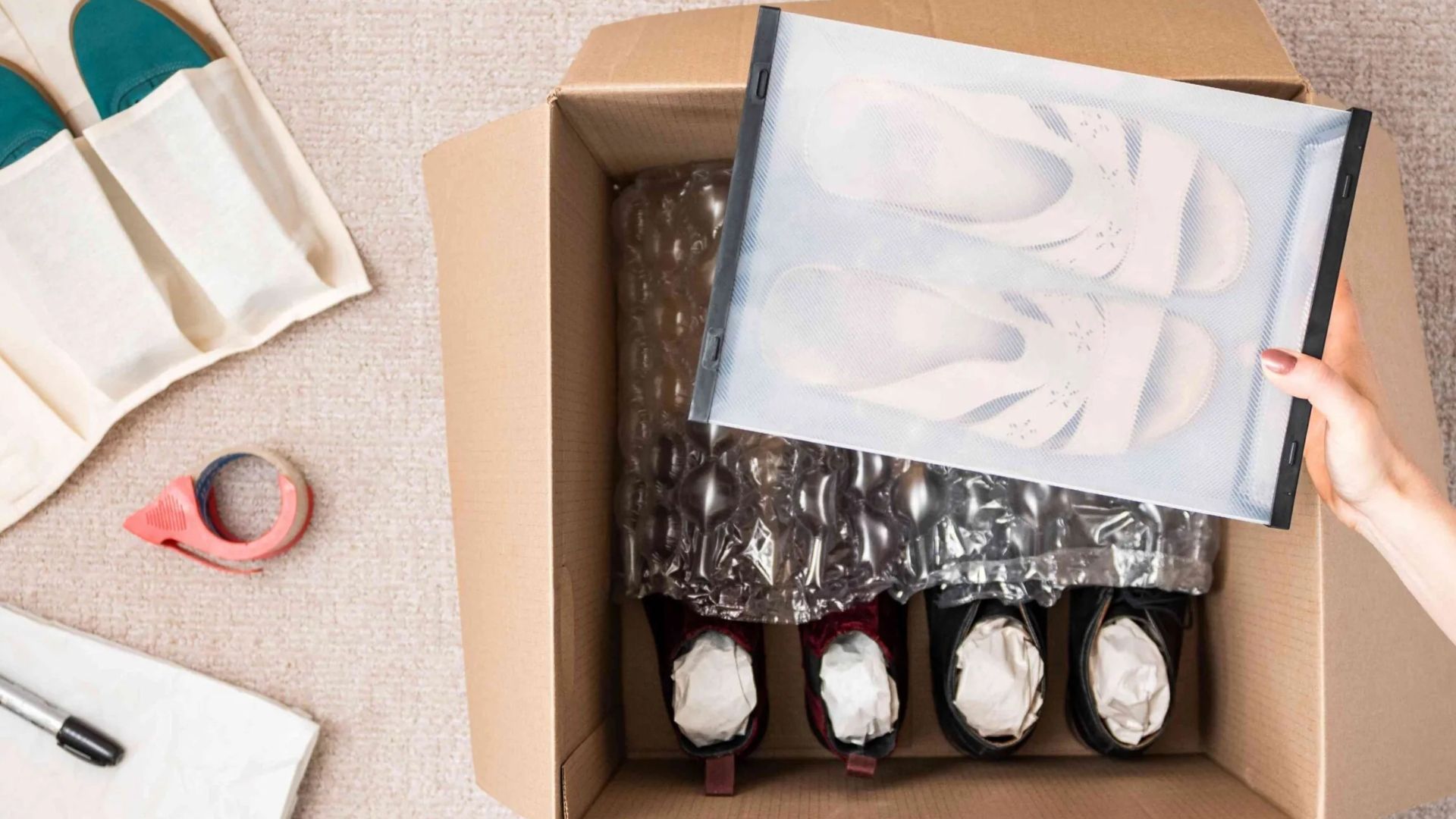
How to Efficiently Pack Shoes for Moving?
At Last Stop Moving, we’re an Edmonton-based moving company that handles packing and protecting your belongings across the wider Edmonton metro — including Sherwood Park, St. Albert, Spruce Grove, Leduc, and Beaumont — every week. Here’s our take on this topic, drawn from what we see on real Alberta moves.
You can pack shoes efficiently for moving by cleaning them first, stuffing them to keep their shape, and using the right boxes and packing materials. The key is organizing your shoes by type and protecting each pair properly to prevent damage during transport.
Moving to a new home means packing everything you own, including your shoe collection. Whether you have three pairs or thirty, packing shoes the right way will keep them safe and make unpacking easier. According to insurance industry data, property damage claims make up 97.8% of homeowners insurance claims, but proper packing can prevent damage to your belongings during a move. This guide will show you simple steps to pack your shoes like a pro, so they arrive at your new home looking great.
Sort Your Shoes Before You Pack
The first step is going through all your shoes. Lay them out so you can see everything you own. This is the perfect time to decide what comes with you and what stays behind.
Make Three Piles
Create three simple piles:
- Keep – shoes you wear and love
- Donate – shoes in good shape but you don’t wear
- Trash – shoes that are too worn out
Moving is expensive, so don’t waste money moving shoes you’ll never wear again. Moving is a prime opportunity to sort out your shoe wardrobe and get rid of outdated or worn out pairs. Plus, you’ll save time and space when packing.
Group Your Keepers
Once you know which shoes are coming with you, group them by type:
- Work shoes and dress shoes
- Sneakers and athletic shoes
- Boots and winter shoes
- Sandals and summer shoes
This makes packing easier and helps you find what you need when you unpack.
Clean Your Shoes First
Make sure your shoes are completely dry to avoid mold. Dry out your sneakers for a day or two prior to packing. Here’s how to get them ready:
For Most Shoes
- Wipe off dirt and mud with a damp cloth
- Let them dry completely before packing
- Remove the laces if they’re dirty and wash them
For Athletic Shoes
- Give them a gentle wash if needed
- Use mild soap and water
- Let them air dry for at least 24 hours
Kill Germs and Odors
Try sticking your shoes in the freezer overnight to kill off any foot bacteria. You can also sprinkle baking soda inside, leave it overnight, then shake it out the next day.
Stuff Your Shoes to Keep Their Shape
Don’t let your shoes get crushed during the move. Stuff each shoe with socks or clean packing paper so it can retain its shape. Here are good stuffing materials:
- Clean socks
- Tissue paper (not newspaper – it can stain)
- Small pieces of bubble wrap
- Use boot trees or rolled magazines for high boots.
Why This Matters
Shoes that lose their shape during a move might never fit right again. Research shows that proper shoe fit and support are important for foot health and comfort. Taking a few minutes to stuff them properly saves you from having uncomfortable or unwearable shoes later.
Choose the Right Packing Method
You have several options for packing shoes. Pick the one that works best for your situation.
Original Shoe Boxes (Best Protection)
Packing shoes in their original shoe boxes or small moving boxes is a prime way to prevent your shoes from getting crushed. If you kept the boxes:
- Put stuffed shoes back in their original boxes
- Add extra tissue paper around them
- Tape the boxes shut
- Stack the shoe boxes in larger moving boxes
Medium Moving Boxes (Good Balance)
If you don’t have original boxes, use medium-sized moving boxes:
- Line the bottom with packing paper
- Place heavier shoes at the bottom
- Pack shoes heel-to-toe to save space
- Fill gaps with packing paper
- Don’t pack too many – boxes get heavy fast
Plastic Storage Containers (Great for Long-term)
Clear plastic containers work well because:
- You can see what’s inside
- They protect against moisture
- They stack easily
- They’re reusable
Pack Different Types of Shoes
Different shoes need different care when packing.
Dress Shoes and Heels
Protect nicer or designer shoes like heels from scuffs by wrapping each shoe with paper or stretch wrap before putting them in a box.
Steps for delicate shoes:
- Stuff them well to keep their shape
- Wrap each shoe in tissue paper
- Use original boxes when possible
- Mark boxes as "FRAGILE"
Boots and High Shoes
Boots need extra care because they can lose their shape easily:
- Stuff them with extra material
- Use boot trees if you have them
- Pack them upright when possible
- Don’t let them get bent or folded
Sneakers and Casual Shoes
These are usually the toughest shoes, but still deserve care:
- Clean them well before packing
- Tie laces together to keep pairs matched
- Pack heel-to-toe to save space
- These can go in the same box with other casual shoes
Smart Packing Tips That Save Time and Space
Keep Pairs Together
Always pack your shoes in pairs. Simple ways to keep them together is to tie the laces together or use shrink wrap.
Use the Heel-to-Toe Method
Pack shoes with one shoe facing up and the other facing down. The toe of one shoe fits into the arch of the other. This saves lots of space in your boxes.
Fill Empty Spaces
Put small items like socks or belts inside your shoes. This saves space and gives extra stuffing to keep their shape.
Don’t Overpack Boxes
When stacking moving boxes with your shoes inside, don’t put other heavier boxes on top of them. This can crush your shoes and cause them to end up misshapen.
Label Your Boxes Clearly
Good labels save time when you unpack. Be specific about what’s in each box:
- "Men’s Work Shoes – Size 10"
- "Winter Boots – Sarah"
- "Summer Sandals – Kids"
If you’re moving in summer and packing winter shoes, label those boxes clearly so you know they can wait to be unpacked.
Keep Some Shoes Handy
Don’t pack all your shoes away. You’ll need some during your move and right after. Set aside:
- Comfortable shoes for moving day
- Work shoes for the first week
- One pair of casual shoes
- Slippers or indoor shoes
Keep these in a separate bag that’s easy to find.
Special Situations
Moving Long Distance
If you’re shipping your shoes ahead of time, add a double layer of bubble wrap and secure your shoe box closed with a rubber band or string to prevent damage in transit.
Hot or Cold Weather
If you want to know how to store shoes to prevent mold, remember that trapped moisture is a primary cause of mold and mildew. According to the EPA, keeping indoor humidity below 60% is crucial for preventing mold growth. Therefore, allow your shoes to completely dry from sweat or other moisture before putting them in boxes or bins.
Very Expensive Shoes
For shoes worth hundreds of dollars:
- Use original boxes always
- Add extra bubble wrap
- Consider carrying them yourself instead of putting them in the moving truck
- Take photos before packing for insurance
Money-Saving Shoe Packing Hacks
Use What You Have
- Old towels can wrap boots
- Plastic grocery bags protect individual pairs
- Cardboard from Amazon boxes works for dividers
Get Free Boxes
- Ask shoe stores for empty boxes
- Check with friends who recently moved
- Look on Facebook Marketplace for free moving supplies
Professional Packing Services
If you have a large, valuable shoe collection, consider professional packing services. Moving companies have special materials and experience protecting delicate items.
Common Mistakes to Avoid
Don’t Pack Dirty Shoes
Dirt transfers between shoes and can cause stains. Always clean first.
Don’t Use Newspaper
Do NOT use newspaper or colored paper: they can leave permanent stains.
Don’t Skip the Stuffing
Empty shoes get crushed easily. Always stuff them with something.
Don’t Pack Wet Shoes
Shoes tend to trap moisture. The CDC notes that mold can cause health problems including stuffy nose, sore throat, and skin rash. Make sure your shoes are completely dry to avoid mold.
Don’t Forget to Check for Damage
Look at your shoes before packing. Fix loose soles or broken straps, or you might lose them during the move.
Loading Shoes in Your Moving Truck
When your local movers load your boxes, shoe boxes should go:
- In the middle of the truck where they won’t shift
- Never on the bottom where heavy items might crush them
- Away from areas that get very hot or cold
If you’re doing a DIY move, treat shoe boxes like fragile items even if they don’t contain breakables.
Unpacking Your Shoes
When you get to your new home:
- Unpack your immediate-need shoes first
- Check each pair for damage
- Let shoes that were packed tightly air out before wearing
- Re-stuff shoes that lost their shape during the move
When to Get Professional Help
Some situations call for professional moving help:
- You have more than 50 pairs of shoes
- You own very expensive or antique shoes
- You’re moving long distance
- You don’t have time to pack everything yourself
Professional movers know how to pack delicate items and have insurance if something goes wrong. Moving companies typically provide basic coverage of 60 cents per pound for damaged items, but full replacement value protection is available for additional cost. Last Stop Moving offers complete packing services that can save you time and worry.
Final Thoughts
Packing shoes efficiently for moving doesn’t have to be hard. The key is taking time to sort, clean, and protect each pair properly. Start with cleaning and sorting your collection, choose the right boxes and packing materials, and label everything clearly.
Remember to keep some shoes handy for moving day and the first few days in your new home. With these simple steps, your shoes will arrive at your new place in great shape and ready to help you explore your new neighborhood.
Whether you’re planning a local move or heading across the country, taking care of your shoes during the packing process means they’ll take care of your feet for years to come. Happy moving!