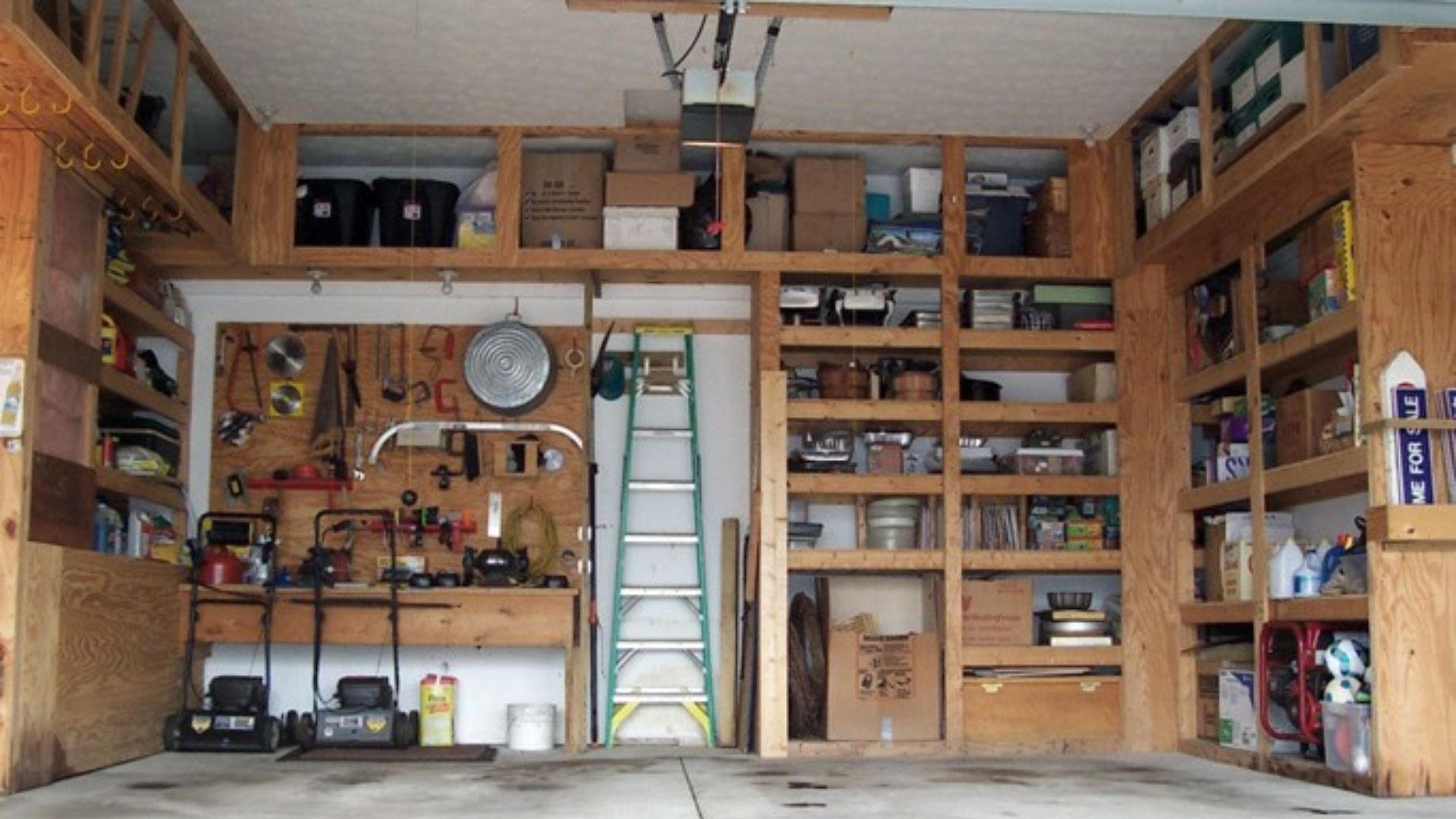
How to Pack Your Garage for Moving?
At Last Stop Moving, we’re an Edmonton-based moving company that handles packing and protecting your belongings across the wider Edmonton metro — including Sherwood Park, St. Albert, Spruce Grove, Leduc, and Beaumont — every week. Here’s our take on this topic, drawn from what we see on real Alberta moves.
To pack your garage for moving safely and easily with the right plan and supplies. Start by sorting items into keep, sell, donate, and trash piles, then gather proper packing materials like heavy-duty boxes, bubble wrap, and zip-lock bags before packing similar items together.
Moving your garage can feel scary at first. It’s full of heavy tools, odd-shaped items, and things you might not have touched in years. But with a good plan and the right steps, you can pack your garage like a pro. This guide will show you exactly how to do it safely and quickly.
Why Your Garage Needs Special Packing Care
Your garage is different from other rooms in your house. It holds heavy tools, sharp objects, and items that moving trucks can’t legally carry. According to CBS News analysis of federal data, there are about 500 incidents each day involving trucks carrying hazardous materials, which is why movers are very strict about what they can transport.
The items in your garage need extra protection because they’re often:
- Heavy and can break boxes
- Sharp and can cut through packing materials
- Made of metal that can rust if not packed right
- Irregular shapes that don’t fit in normal boxes
Getting Ready: What You’ll Need Before You Start
Before you touch a single item, gather these packing supplies:
Heavy-Duty Boxes:
- Small boxes for heavy tools
- Medium boxes for lighter items
- Large boxes for bulky but light things
- Extra-strong tape for box bottoms
Protection Materials:
- Bubble wrap for fragile items
- Packing paper or newspaper
- Old towels and rags
- Zip-lock bags for small parts
Tools and Labels:
- Permanent markers
- Cable ties
- Strong packing tape
- Labels that say "FRAGILE" or "GARAGE"
Remember to tape the bottom of each box with several layers. Garage items are heavier than normal household goods, so boxes need extra strength.
Step 1: Sort Everything Into Four Groups
The first step is the most important. Don’t just start packing everything you see. Instead, divide your garage into four areas:
Keep Pile
Put items you use regularly and want at your new home. Ask yourself: "Have I used this in the last year?" If yes, it goes in the keep pile.
Sell Pile
Items in good shape that you don’t need anymore. These can make you money at a garage sale or online.
Donate Pile
Things that still work but aren’t worth selling. Local charities and organizations like Habitat for Humanity love getting tools and supplies.
Trash Pile
Broken items, rusty tools, and things that can’t be fixed. Get rid of this pile right away so it doesn’t take up space.
Pro tip: Work on one section of your garage at a time. Don’t try to sort everything at once, or you’ll feel overwhelmed.
Step 2: Handle Dangerous Items First
The EPA considers some leftover household products that can catch fire, react, or explode under certain circumstances, or that are corrosive or toxic as household hazardous waste. Moving companies won’t transport these items because they’re too dangerous.
Items You Can’t Move:
- Paint and paint thinner
- Gasoline and motor oil
- Propane tanks (even empty ones)
- Fertilizers and pesticides
- Car batteries
- Cleaning chemicals
- Aerosol cans
How to Get Rid of Dangerous Items:
- Call your local waste management office – They often have special pickup days for dangerous items
- Check with auto parts stores – Many take used motor oil for free
- Ask neighbors – Someone might need that half-full paint can
- Use household hazardous waste centers – According to the U.S. Transport Canada, many communities have collection programs for HHW to reduce potential harm posed by these chemicals
Never mix different chemicals together. This can cause dangerous reactions. Always keep items in their original containers with labels.
Step 3: Pack Your Hand Tools the Right Way
Hand tools are tricky to pack because they’re heavy and have sharp edges. Here’s how to do it safely:
Tools Already in Toolboxes:
If your tools are organized in a toolbox, you’re lucky! Just lock the drawers and wrap the whole box in moving blankets. Use shrink wrap or rope to keep everything tight.
Loose Hand Tools:
- Small tools (screwdrivers, wrenches): Use plastic storage containers instead of cardboard boxes
- Sharp tools (knives, saws): Wrap blades in bubble wrap or old towels
- Heavy tools (hammers, crowbars): Pack in small boxes so they’re not too heavy to lift
Smart Packing Tips:
- Put small screws and bolts in zip-lock bags
- Group similar tools together
- Write what’s in each bag with a permanent marker
- Tape the bags to the main tool so parts don’t get lost
Step 4: Pack Power Tools and Equipment
Electric and battery-powered tools need special care:
Before Packing:
- Remove all batteries and pack them separately
- Wrap power cords around the tool
- Clean tools to prevent rust
- Use original boxes if you still have them
Gas-Powered Tools:
These need extra work because they hold fuel:
- Drain all gas completely – Let the tool run until it stops
- Clean the tool – Remove grass and dirt
- Pack carefully – Use heavy-duty boxes with lots of padding
Important: The Canadian Council of Motor Transport Administrators requires that moving companies refuse to move any gas-powered tools whose tanks have not been completely emptied of fuel. Even a tiny bit of gas left can cause problems.
Step 5: Handle Large Items and Appliances
Big items in your garage need special attention:
Lawn Mowers:
- Drain all gas and oil
- Clean off grass and dirt
- Remove or secure loose parts
- Consider professional moving services for heavy mowers
Grills and Barbecues:
- Remove propane tanks (these can’t be moved)
- Clean thoroughly
- Pack removable parts separately
- Wrap in moving blankets
Refrigerators and Freezers:
- Defrost completely and let dry
- Clean inside and out
- Remove shelves and pack separately
- Use appliance dollies for moving
Step 6: Pack Sports Equipment and Outdoor Gear
Sports equipment comes in all shapes and sizes:
Bicycles:
- Remove pedals and wheels if possible
- Wrap in bubble wrap or blankets
- Use bike boxes if available
- Consider specialized moving services for expensive bikes
Golf Clubs and Long Equipment:
- Use tall boxes made for sports equipment
- Wrap club heads in bubble wrap
- Bundle similar items together
Seasonal Items:
- Holiday decorations: Use original boxes when possible
- Camping gear: Clean everything before packing
- Pool supplies: Drain and dry completely
Step 7: Label Everything Like a Pro
Good labeling saves time and prevents headaches:
What to Write on Each Box:
- Room destination: "GARAGE" or "BASEMENT"
- Contents: "Hand Tools" or "Garden Supplies"
- Handling instructions: "FRAGILE" or "HEAVY"
- Priority level: "OPEN FIRST" for essential items
Smart Labeling Tips:
- Use bright colored tape for important boxes
- Write on multiple sides of each box
- Take photos of valuable items before packing
- Keep a list of what’s in each numbered box
Step 8: Load Your Garage Items Safely
When loading the moving truck, garage items need special placement:
Heavy Items Go First:
- Put tool boxes and heavy boxes on the truck floor
- Place them against the walls for support
- Use furniture pads to prevent scratching
Protect Sharp Objects:
- Keep wrapped sharp tools away from other items
- Use extra padding around metal objects
- Place them where they won’t shift during transport
Balance the Load:
- Don’t put all heavy items on one side
- Distribute weight evenly
- Secure everything with straps or rope
Common Mistakes to Avoid
Learn from others’ mistakes:
Don’t Rush the Process:
Packing a garage takes longer than other rooms. Research from the National Academy of Sciences shows that about 94 percent of hazardous material shipments are transported by truck because of the many small, individual items – similar to what you find in most garages. Many moving experts believe garages and tools sheds are the hardest and most time-consuming premises to pack for a move. Start early and ask friends to help.
Don’t Overpack Boxes:
Heavy items in big boxes create boxes too heavy to lift safely. Use smaller boxes for heavy tools and keep the weight under 50 pounds.
Don’t Forget Small Parts:
Screws, bolts, and small parts get lost easily. Always bag them and tape them to the main item.
Don’t Skip the Inventory:
Write down valuable items and take photos. This helps if something gets damaged or lost.
Storage Solutions for Your New Home
Think about your new garage while packing:
Organize for Easy Unpacking:
- Pack items you’ll need first in clearly marked boxes
- Group similar items together
- Label boxes with their final location
Consider Storage Options:
If your new garage isn’t ready, storage solutions can help bridge the gap until you’re ready to unpack.
When to Call Professioal Help
Some situations need professional movers:
Call the Pros If:
- You have extremely valuable tools or equipment
- Heavy machinery needs special handling
- You’re not comfortable with hazardous materials
- Time is running short before moving day
Professional packing services have the right equipment and know-how to handle difficult items safely.
Final Thoughts
Packing your garage for moving doesn’t have to be overwhelming. Start with a good plan, gather the right supplies, and work through each step carefully. Remember that safety comes first – both for you and the people handling your belongings.
The key is to start early and be organized. Sort everything first, handle dangerous items properly, and pack similar things together. With good labeling and careful packing, your garage items will arrive at your new home safe and sound.
Don’t forget that professional movers can make this job much easier. They have the experience, equipment, and know-how to handle even the trickiest garage items.
Ready to make your move stress-free? Contact us today for a free moving estimate and let our expert team handle your garage packing needs.