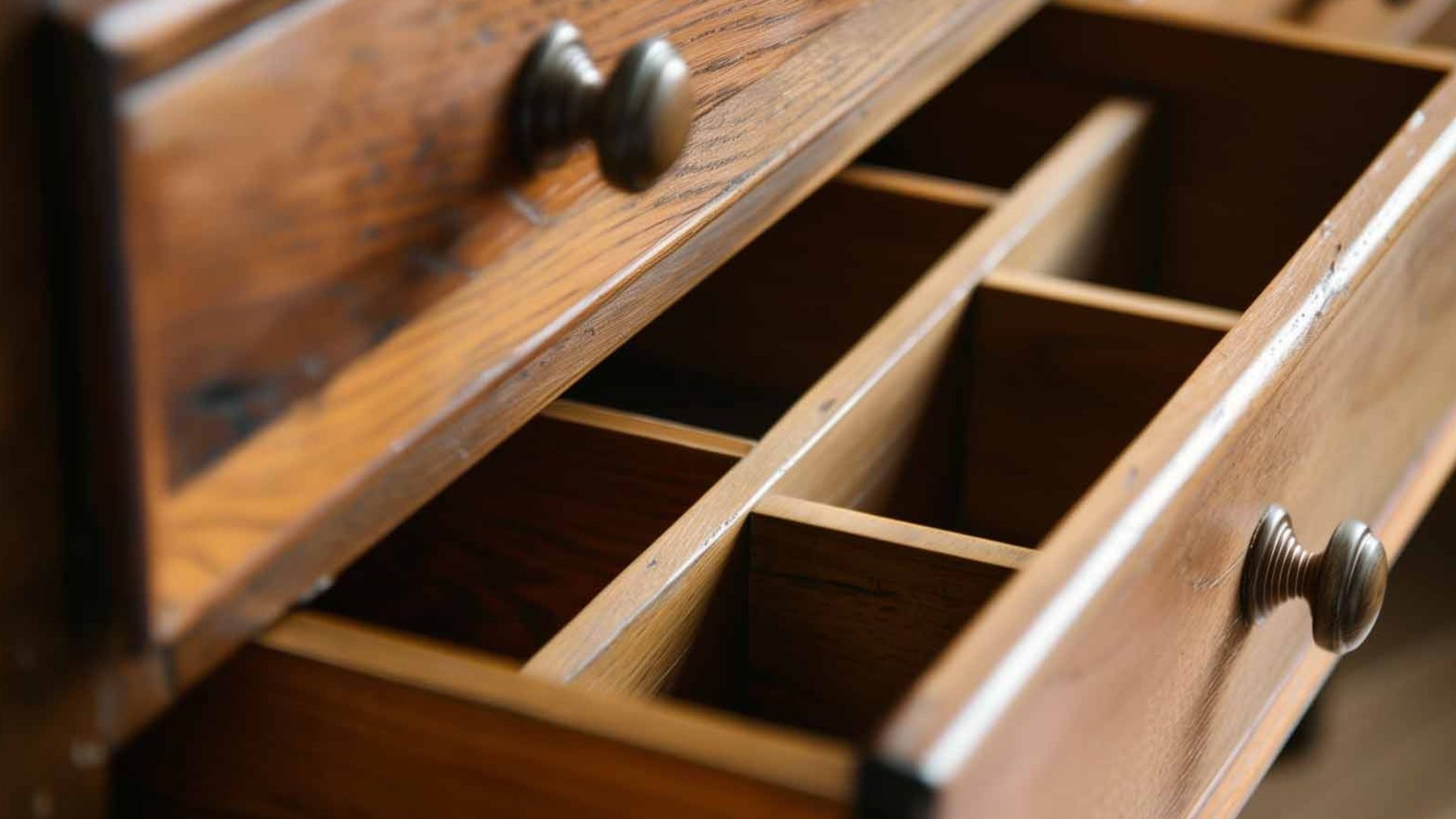
When Moving House Do I Need to Empty Drawers?
Yes, you usually need to empty drawers when moving house, but there are some exceptions. Most professional movers recommend emptying drawers to keep everyone safe and prevent damage to your furniture and belongings. However, you can sometimes leave light, soft items like clothes in sturdy dressers for short-distance moves.
Why Most Movers Say Empty Your Drawers
Moving companies have good reasons for asking you to empty drawers. Most professional movers will tell you: empty dressers are safer to lift, easier to carry through tight spaces, and less likely to cause damage. Here’s why this matters for your move.
Safety Comes First
Full drawers make furniture much heavier and harder to control. A 2023 report from the U.S Consumer Product Safety Commission (CPSC) says about 17,800 Americans head to hospitals for emergency room treatment of furniture tip-over injuries each year. When movers carry heavy, loaded furniture, the risk of accidents goes up.
Heavy dressers can cause:
- Back injuries to your moving crew
- Damage to walls and doorframes
- Scratches on your floors
- Broken furniture if it’s dropped
Drawers Can Pop Open
Even when you think drawers are secure, they can still slide open during a move. Drawers can fly open mid-lift, causing items inside to fall, break, or jam. This creates a dangerous situation where movers might lose their grip or trip over fallen items.
Items Get Damaged Inside
When furniture moves and tilts, things inside drawers bounce around. Items can also slide into tight gaps or fall behind drawer tracks, making them hard to retrieve. Your belongings can get scratched, broken, or lost forever.
When You Can Leave Some Things In Drawers
There are times when it’s okay to keep certain items in your drawers. But you need to be smart about what you leave and make sure your furniture can handle it.
Light, Soft Items Only
Clothing, linens, towels, and other soft items are generally safe to leave in drawers. These items won’t break if they shift around, and they don’t add too much weight to your furniture.
Good items to leave:
- Underwear and socks
- T-shirts and pajamas
- Lightweight sweaters
- Bed sheets and pillowcases
Check Your Dresser Quality
A well-built, solid dresser can often handle the added weight of full drawers, but a flimsy or older piece might not. Look at your furniture carefully before deciding.
Signs your dresser can handle full drawers:
- Made of solid wood
- Joints feel tight and stable
- No wobbling when you push on it
- Drawers slide smoothly and fit well
For Short, Local Moves
If the contents are light and you are moving a short distance on good roads, you can leave the drawers out. Local moves within the same city are less risky than long-distance moves where your stuff will be on the truck for days.
What Items Must Always Come Out
Some things should never stay in drawers during a move, no matter how careful you plan to be.
Breakable Items
Fragile Items: Glassware, ceramics, and other breakables should be wrapped and packed in separate boxes. Even small movements can cause these items to crack or shatter inside drawers.
Remove these items:
- Glass picture frames
- Ceramic decorations
- Perfume bottles
- Any dishes or glassware
Heavy Objects
Heavy Items: Books, tools, or other dense objects add unnecessary weight and strain on the dresser. These items make your furniture too heavy and dangerous to move safely.
Take out:
- Books and magazines
- Tools and hardware
- Exercise weights
- Electronic devices
Valuable and Important Items
Your movers don’t want the responsibility of transporting certain things on the moving truck—cash, medication, passports, or anything irreplaceable. Keep these items with you at all times.
Always remove:
- Cash and jewelry
- Important documents
- Prescription medicines
- Family photos
- Computer hard drives
Liquids and Messy Items
Liquids: Toiletries or other liquid items should never be left in drawers. They may spill and damage the furniture or other belongings. Even sealed bottles can leak when bounced around.
Don’t leave:
- Shampoo and lotion bottles
- Nail polish
- Cleaning supplies
- Food items
- Paint or craft supplies
Different Rules for Different Furniture
Not all furniture with drawers should be treated the same way. Here’s what to do with different types.
Dressers and Bedroom Furniture
Most bedroom dressers can keep some clothes if they’re well-built. If your dresser is lightweight and you’re only leaving soft clothes inside (no sharp objects or heavy jeans), it might be okay. But always check with your local movers first.
Office Desks and Filing Cabinets
Desks, cabinets, and chests with full drawers should also be emptied into sturdy moving boxes and labeled. Paper adds up in weight, and office items can shift or break. Office furniture often has deep drawers that can hold a lot of weight.
For filing cabinets:
- Remove all important documents
- Pack papers in small boxes
- Keep the cabinet locked if possible
- Let your commercial movers know it’s empty
Beds with Storage Drawers
Beds with Drawers: Always empty these drawers, as beds are typically flipped on their sides during transport. Storage beds get moved differently than dressers, so everything inside will definitely fall out.
Kitchen and Dining Room Furniture
Sideboards and Buffets: Empty drawers and cabinets to prevent damage to both the furniture and its contents. Kitchen furniture often holds dishes and glassware that can easily break.
How to Prepare Drawers for Moving
If you decide to keep some items in your drawers, you need to secure everything properly.
Secure the Contents
Make sure items can’t move around inside the drawers:
- Fill empty spaces with soft items like towels
- Don’t overstuff drawers
- Remove anything that could scratch other items
- Check that drawer contents won’t make noise when moved
Wrap the Whole Dresser
Use furniture padding or moving blankets to protect the dresser from scratches and dents. Wrap the entire piece, including the drawers, to keep them from sliding open. This keeps drawers closed and protects your furniture.
Professional movers use:
- Moving blankets for padding
- Plastic wrap to hold everything together
- Tape that won’t damage wood finishes
- Straps to secure heavy pieces
Remove Drawers When Necessary
Sometimes it’s better to take drawers out completely. Remove drawers if possible, especially for deep or awkward pieces. This makes the main furniture piece lighter and easier to handle.
When to remove drawers:
- Going up or down stairs
- Furniture is very heavy
- Drawers don’t fit tightly
- Moving through narrow doorways
Special Situations to Consider
Some moves have extra challenges that affect whether you should empty drawers.
Long Distance Moves
For Long Distance Moves – For the most part, when moving long distance you should take your daily clothes out of your dresser. Your belongings will be on the truck for days or even weeks. You’ll need access to your clothes, and there’s more chance of damage over long trips.
For long moves:
- Pack daily clothes in suitcases
- Leave only off-season items in drawers
- Use this time to declutter old clothes
- Keep essentials with you in your car
Narrow Doorways and Stairs
If the dresser needs to be angled to fit through a door, empty the drawers to prevent items from shifting or falling out. Tight spaces mean furniture has to be tilted and turned, which can cause drawers to open.
Watch out for:
- Narrow hallways
- Steep staircases
- Sharp corners
- Low ceilings
Older or Fragile Furniture
If you have an old dresser that is vulnerable to falling apart during the move, make sure you keep the drawers as close to empty as possible. Antique furniture needs extra care during a move.
For delicate pieces:
- Remove all contents
- Consider disassembling if possible
- Use extra padding and blankets
- Let movers know it needs special handling
Ready-to-Assemble Furniture
If your dresser is made of particleboard or MDF, it’s advisable to empty the drawers and even disassemble the piece before moving. Cheap furniture from stores like IKEA can fall apart easily when moved while loaded.
IKEA-style furniture tips:
- Always empty completely
- Keep assembly instructions
- Pack screws and hardware separately
- Consider buying new instead of moving
How Professional Movers Handle Drawers
When you hire professional movers, they have experience dealing with all kinds of furniture. Here’s what they typically do.
They Assess Each Piece
Good movers will look at your furniture and tell you what needs to be emptied. Depending on the size, weight, shape, and contents, we may recommend either emptying or securing the dresser drawers before loading them onto our moving truck. They know what’s safe and what isn’t.
They Have the Right Equipment
Professional movers have tools that make moving furniture safer:
- Furniture dollies for heavy pieces
- Straps and tie-downs
- Professional-grade moving blankets
- Plastic wrap that won’t damage finishes
They Provide Insurance
If something goes wrong, professional movers have insurance to cover damage. This gives you peace of mind that DIY moves can’t match.
Tips for Packing Drawer Contents
When you do empty drawers, here’s how to pack the contents efficiently.
Use the Right Box Sizes
If you’re going to pack the clothes you’re not keeping in your drawers into boxes, use small to medium sized boxes. Clothes can get heavy as you pile them up and you never want any box that can’t be lifted with ease.
Box size guide:
- Small boxes: Heavy items like books
- Medium boxes: Clothes and linens
- Large boxes: Light, bulky items only
- Wardrobe boxes: Hanging clothes
Label Everything Clearly
Label each box by drawer or room so it’s easy to put things back in place at your new home. This makes unpacking much faster and less stressful.
Good labeling includes:
- Which room the box goes to
- What’s inside (like "bedroom – socks and underwear")
- Whether it’s fragile
- Which family member it belongs to
Use Your Suitcases
Don’t forget about your luggage! Suitcases are perfect for clothes and have wheels to make moving easier. Plus, you probably need to pack them anyway if you’re staying in a hotel during your move.
When to Ask Your Moving Company
Every move is different, so it’s always good to ask your movers what they prefer. When in doubt ask your moving company for their opinion on whether or not to unpack a dresser.
Questions to ask:
- What’s your policy on full drawers?
- Do you charge extra for heavier furniture?
- What items definitely need to come out?
- Do you provide packing materials?
- What happens if something breaks inside a drawer?
At Last Stop Moving, we’re always happy to help you figure out the best way to prepare your furniture. Our experienced team can look at your specific situation and give you personalized advice.
Cost Considerations
Keeping items in drawers might seem like it saves money on boxes, but it can actually cost more in the long run.
Potential Extra Charges
Some moving companies charge based on weight. Full drawers make your furniture heavier, which could increase your bill. Heavy furniture also takes longer to move, which adds to labor costs.
Damage Costs
If items break inside drawers or your furniture gets damaged from being too heavy, you might have to pay for repairs or replacements. This can cost much more than buying a few extra moving boxes.
Your Time Value
Use this opportunity to sort through clothing. Pack off-season clothes in boxes labeled by type (sweaters, shoes, etc.) or by person. Moving is a great time to declutter and organize your belongings.
Creating Your Moving Day Plan
Here’s a simple checklist to help you decide what to do with your drawers:
Two Weeks Before Moving:
- Look at each piece of furniture with drawers
- Decide what’s staying and what’s going
- Order extra moving boxes if needed
- Schedule your packing services if you want help
One Week Before Moving:
- Start emptying drawers you’ve decided to pack
- Sort through items and donate what you don’t need
- Begin packing non-essential items
- Confirm plans with your movers
Moving Day:
- Do a final check of all drawers
- Remove any last-minute items
- Make sure drawers are secured if keeping items
- Have essentials packed separately for immediate access
What Happens If You Don’t Empty Drawers
If you leave items inside, especially breakables or liquids, there’s a chance of damage during the move. Furniture might break, drawers might fall out, or you might lose small items in transit.
Real problems that can happen:
- Drawers fall out and hit someone
- Items spill all over the moving truck
- Furniture joints break from too much weight
- Movers get injured and can’t finish your move
- Your belongings get damaged or lost
Making Smart Choices for Your Family
Every family’s move is different. Consider your specific situation when making decisions about drawers.
Families with Young Children
If you have small kids, safety should be your top priority. Safety first: pets and little ones should stay out of the action. Empty drawers make the move safer for everyone.
Consider using our senior moving services approach – we take extra care to make moves safe and stress-free for families with special needs.
Budget-Conscious Moves
If you’re trying to save money, you might think keeping items in drawers will help. But remember that safety and preventing damage should come first. A few extra boxes cost much less than replacing broken furniture or treating an injury.
Time-Sensitive Moves
If you’re short on time, you might want to use our packing services. Our team can quickly and safely pack your drawer contents while you focus on other moving tasks.
Working with Professional Movers
Professional moving companies have seen it all. They know which furniture can handle full drawers and which can’t. Professional movers, like Last Stop Moving, have the equipment and expertise to handle heavy furniture safely, making it less of a concern if you hire help.
When you work with Last Stop Moving, our team will:
- Inspect your furniture before the move
- Give you specific advice for each piece
- Provide proper packing materials
- Handle everything safely and efficiently
- Take responsibility for protecting your belongings
Regional Considerations for Alberta Moves
Moving in Alberta comes with its own challenges. Weather can be unpredictable, and many homes have stairs and narrow hallways. Our Edmonton movers understand these local challenges.
Alberta-specific factors:
- Cold weather can make some materials brittle
- Snow and ice make carrying heavy furniture dangerous
- Many homes have basements with narrow stairs
- Rural moves might involve longer carrying distances
Whether you’re moving to St. Albert, Sherwood Park, or anywhere else in the region, our local knowledge helps ensure your move goes smoothly.
Final Thoughts
The question "When moving house do I need to empty drawers?" doesn’t have a simple yes or no answer. It depends on your furniture, what’s inside, how far you’re moving, and what your moving company recommends.
The safest choice is usually to empty your drawers. This protects both your belongings and the people moving them. But for sturdy furniture with light, soft items, you might be able to leave some things in place.
The most important thing is to communicate with your moving team. Professional movers have the experience to guide you toward the best choice for your specific situation. At Last Stop Moving, we’re committed to making your move as safe and stress-free as possible.
Ready to plan your move? Contact us for a free estimate and personalized advice about preparing your furniture for moving day. Our experienced team will help you make the right decisions for your family and your belongings.